


La mimuna e il pane con l’uovo
Alla fine della Pasqua ebraica, Pesach, gli ebrei del Nord Africa, oggi sparsi in molti luoghi inclusa l’Italia, celebrano una festa molto particolare chiamata mimuna: in questa occasione si festeggia il fatto di poter finalmente consumare il pane, ma anche l’arrivo della primavera.

L’origine della parola mimuna è molto incerta: sembra che il vocabolo derivi dalla parola che in ebraico significa fede e in arabo felicità, ma c’è anche chi pensa che l’origine del vocabolo sia da ricercarsi nel nome di Maimon, il padre di uno dei più celebri filosofi dell’ebraismo, Rambam.
La festa comincia dopo il tramonto dell’ultimo giorno di Pesach.
In molte comunità, gli ebrei ricevevano dai loro vicini – specialmente mussulmani – cesti di farina, frano e lievito per preparare il pane alla fine di Pesach, quando gli ebrei non disponevano degli ingredienti necessari a causa del divieto festivo.
Gli ebrei, in cambio, aprivano le loro case ai visitatori, preparando tavole piene di dolci, torte e altri prodotti di significato simbolico.
La festa della mimuna iniziava con l’impasto del pane: tutta la famiglia presenziava a questa cerimonia, in trepidante attesa del pane fresco, molto desiderato dopo una settimana di matzà.
Da dove viene la mia famiglia, in Libia, gli ebrei preparavano un pane che ha lo stesso nome della festa, mimuna: questa è la ricetta che vi racconterò oggi.
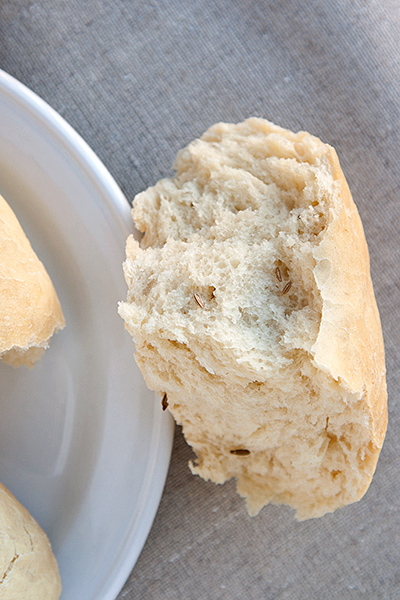
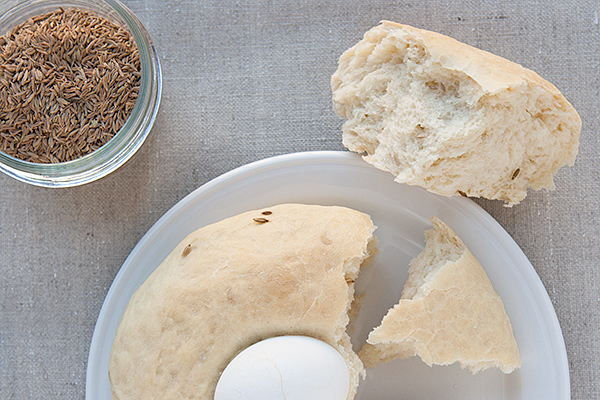
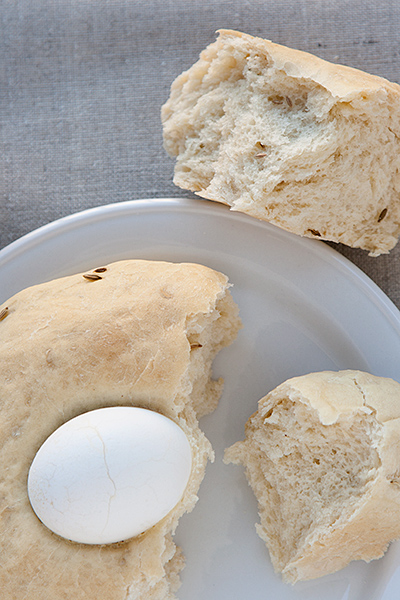
Si tratta di un pane molto speciale e festivo che ha al suo interno un uovo, oggetto portafortuna, simbolo del cerchio della vita.
Le donne usavano preparare un pane di questo tipo per ogni membro della famiglia, per dare a ciascuno una speciale benedizione: era infatti opinione condivisa che la notte della mimuna i cieli si aprissero ad accogliere le preghiere degli uomini.
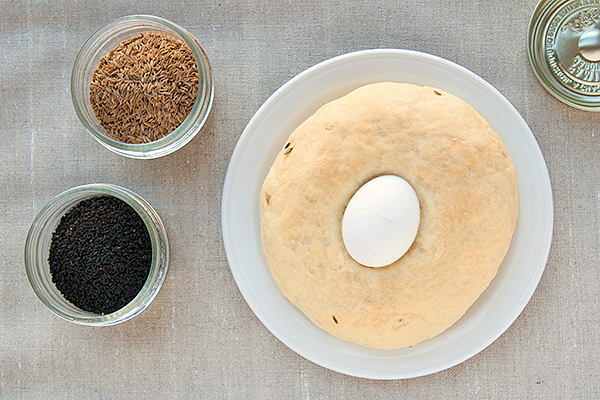
In Italia, a Pasqua, in molte parti del paese e specialmente al Sud, si preparano pani come la mimuna.
In passato, durante il periodo della Quaresima, si osservava una severa moderazione alimentare, che escludeva il consumo di carne, uova e formaggi, ma con l’arrivo della settimana santa le privazioni terminavano e le uova tornavano ad essere protagoniste nella tavola pasquale.
In Sicilia ad esempio, dove mi trovo proprio ora, si prepara un pane chiamato coddura, di derivazione probabilmente ortodossa, di forma circolare, con incorporato un numero variabile di uova sode.
Pani come questi sono molto comuni in tutti i paesi del Mediterraneo: se ne trovano di simili in Puglia, Calabria, Campagna, ma ad esempio anche in Grecia, dove si consuma per Pasqua un pane con le uova chiamato tsoureki.
Le uova ricorrono in molte ricette della stagione di Pasqua, perchè nel cristianesimo rappresentano la tomba vuota di Gesù, mentre in altre religioni – anche più antiche – sono simbolo di fertilità e rinascita.
C’è qualche ricetta, nelle tradizioni della vostra famiglia, che preveda questa unione simbolica di pane e uova? Sarei felicissima di leggerne qualcuna nei commenti.
La mimuna e il pane con l'uovo
Ingredienti
- 1 kg di farina 00
- 50 g di lievito fresco
- 1 bicchiere e 1/2 di zucchero alcuni preferiscono ometterlo
- 1 bicchiere di olio di oliva leggero o di semi di arachidi
- 500 ml circa di acqua
- 1 cucchiaino di semi di finocchio
- 1 cucchiaino di semi di cipolla o di cumino nero
- 2 cucchiai di uvette alcuni preferiscono ometterle
- 1 cucchiaino di sale
- uova sode per decorare
Istruzioni
- Sciogliete in una ciotola capiente il lievito con l'acqua, poi fate riposare un paio di minuti per riattivare il lievito, specie se usate quello secco in granelli.
- Aggiungete nella ciotola lo zucchero, l'olio, il sale, i semi e la farina, ma lentamente, poca per volta, perchè non è detto che vorremo usarla tutta, a seconda delle condizioni climatiche e di molti altri fattori imprevedibili.
- Quando l'impasto diventa compatto e non si attacca più alle mani lavoratelo bene su un piano infarinato per una decina di minuti, poi trasferitelo in una ciotola leggermente unta e fatelo lievitare per almeno un'ora (volendo anche due) coperto da un panno umido, finchè non raddoppia.
- Quando la pasta è ben lievitata, preparate delle forme della dimensione preferita e disponetele su una taglia ricoperta di carta da forno.
- Con l'aiuto delle dita o con un cucchiaio di legno, aprite un buco al centro di ciascuna forma di pane e disponetevi un uovo sodo, precedentemente ben lavato e spazzolato. Lasciate lievitare il pane ancora mezz'oretta, poi a lievitazione ultimata infornate il tutto nel forno già caldo a 180°.
- Il pane è pronto quando la superficie è bella colorita e la base del pane è solida - i tempi di cottura variano a seconda della dimensione della pagnotta, approssimativamente mezz'ora dovrebbe bastare.
- Lasciate raffreddare il pane su una graticola per circa mezz'ora prima di affettarlo.

Sì, è vero, per Pasqua, a Piana degli Albanesi, sopra Palermo (rito ortodosso) le donne fanno dei bellissimi pani piatti decorati con semi di ogni tipo ed al centro mettono l’uovo sodo. Sono di tante forme diverse, a seconda della famiglia di origine e se ne fanno moltissimi da regalare alle donne in età fertile delle famiglie amiche e conoscenti. Me li porta sempre la vecchia “tata” di mio marito e sono bellissimi!
A Terrasini, invece, per San Giuseppe, si allestiscono le “mense” e si regala il pane tondo con la croce grande sopra a tutti i passanti che entrano a vedere la “mensa”. Una tradizione antica ed altrettanto bella. Anche qui, il pane la fa da padrone.
Ho saputo che sei in zona! Baci baci, goditi la meravigliosa Palermo!
Elli
Nella vecchia tradizione siciliana “i cuddure” erano fattte proprio per ognuno della famiglia e potevano essere semplicissime o ricchissime, barocche nella decorazione. E quando la pasqua era segnata dallo scampanio di tutte le campane ancora di giorno e non di notte come ora, si rompeva e si mangiava. Oggi è diventato un dolce da acquistare e consumare il lunedì nelle scampagnate.
Una particolarmente elaborata è questa: https://www.facebook.com/photo.php?fbid=336347039733802&set=a.336346593067180.67001.325134390855067&type=1&theater
Ciao, mi piace molto seguirvi.
What an interesting tradition. I love how bread seeps in every religion, culture and ethnicity. Yes, you are right, in Greece we make tsoureki for Easter and we decorate it with a red egg!
I would love to try your bread, it looks very inviting and I love the onoin and fennel seeds it contains.
Un post davvero interessante Jas, come ogni volta adoro scoprire relazioni e intrecci che danno senso a quello che siamo e mangiamo oggi!
ciao jasmine
come al solito un bellissimo pot io abito in spagna e anche qui si fano dei “pani” dolci per la pascua catolica,io gia conoceva il origine ebraico di questi “pani” ma non conocevo il mimuna gracie e complimenti .
buona pascua
Ciao Jasmine e Manuel,
mi sono affezionata al vostro blog ed ogni notte, prima di andare a dormire, “vengo a trovarvi”, curioso un po’ e trovo sempre qualcosa di interessante. Ho già adottato alcune vostre ricette con risultati soddisfacenti, ma soprattutto mi piace l’impostazione allegra e culturale che si respira nella cucina Labna, è una piccola finestra sul mondo…
Nora
p.s.: la torta dietetica al cacao qui a Parma sta spopolando!!
Ciao!
ringrazio mia sorella, Patrizia, che da Milano mi ha passato il vostro blog.
Nora
@Nora grazie di cuore! siamo felicissimi di sapere che passi a trovarci e che apprezzi il nostro lavoro! Se vieni a trovare tua sorella a Milano facci un fischio, che ti offriamo un caffè! :)
Grazie del commento Ana Maria! Se fai qualche foto ai pani che preparate in Spagna sarei curiosissima di vederli!
@Elli mi sono innamorata della Sicilia e sì, ho visto persino le mense di San Giuseppe! Ne parlerò nei prossimi giorni qui su Labna :)
beh..in campania si fà il casatiello..versione sia dolce che salata..ed ha le uova inserite nell’impasto e bloccate da una croce fatta sempre con pezzi di impasto….e si fà nel periodo pasquale..insieme alla pastiera di grano e il migliaccio…
ciao jasmine,
in calabria si fa una focaccia con l’uovo al centro da noi viene chiamato curucullova e si mangia esclusivamente nella settimana santa. Che bello questo melting pot tra le diverse religioni :)
Barbara
ciao ,in Puglia in occasione della Pasqua si preparano le “scarcedde” o scarcelle in italiano, che in genere si regalano ai bambini. Sono di varia forma, dalla colomba alla coroncina al cuore al cavalluccio con un numero di uova variabile che vengono poggiate sul dolce e poi fermate con due striscioline di pasta. L’impasto è una sorta di pasta frolla. Mia nonna ce le preparava sempre quando eravamo piccoli, ora le fa mia suocera per i miei figli Se recupero la ricetta te la posto. buona Pasqua
Federica
Si è vero il pane con le uova si usa molto quì in Sicilia, e precisamente si chiama “PUPU COLL’UOVA”.
Ciao Jasmine,
quando ero piccola mia nonna preparava per ogni nipote, in linea con la tradizione di Trieste, la titola, ovvero una treccia di lievitato molto ricco con in cima un uovo sodo colorato. La tradizione vuole che questo dolce rappresenti i chiodi con cui fu crocifisso Gesù.
L’impasto è lo stesso della pinza triestina, una “focaccia dolce” segnata con la croce, tipica della Pasqua che veniva portata in chiesa a benedire il venerdì santo.
Anna
Ciao Jasmine,
ho trovato questo sito per caso un po’ di tempo fa e ogni tanto sbircio, appassionata come sono di ricette e cultura da ogni parte del mondo.
In questo post chiedevi se ci sono altri pani con l’uovo per la Pasqua cristiana…da me, in Romagna, si fa il “brazadèl”, bracciatello, un pane lievitato a base di farina, uova e lievito. Gli si da la forma di un anello e prima di cuocerlo in forno si sbollenta in acqua per un paio di minuti (più o meno come per i bretzel). Alcuni poi al centro dell’anello mettono l’uovo sodo che è stato benedetto.
E’ sorprendente come certe tradizioni siano comuni…Bellissimo questo sito!
Il mio pane di mimouna è pieno di finocchietto per profumo e decorazione ma non ne metto nell’impasto. E ci si mette quanto più uova sia possibile; prima però parte dell’impasto è prelevato e fatto crescere mentre il vero pane si cuoce. Nell’impasto prelevato vanno inserite monetine, le fedi nuziali delle coppie in cerca di figli, pezzettini di carta con preghiere personali, oggetti di persone bisognose di salute (e preghiera per la salute di qualcuno che stia poco bene) e chi più ne ha più ne metta, basta che siano “cose buone” che debbano crescere.
Qui in Campania, so che i cattolici fanno un pane simile in apparenza ma molto più consistente e “salato” e lo chiamano tortano.
Anche in tutto il salernitano (Campania) è usanza estremamente diffusa quella di preparare, nel periodo pasquale, rustici vari, più o meno ricchi di ingredienti, ma soprattutto con uall’interno uova bollite, solitamente solitamente poste lungo il diametro del rustico. Di ricette ne esistono a centinaia e possono variare da città a città. Da quello che so anche nel napoletano è così.
ciao Jasmine! perchè si vede solo la ricetta in inglese?
@Francesca perchè sono stata pigra e non l’ho tradotta! ora lo faccio!
A comiso in provincia di Ragusa, durante il periodo pasquale facciamo una treccia di pane votiva che si chiama Pace e che e’ a forma di ciambella con sopra le uova sode. Di solito si appende al muro come simbolo di pace e serenita’. Facciamo anche a “cudduredda” per ogni bambino in famiglia la puo’ avere forme varie. Un’ altro tipo di pane e’ “u pupu cu l’ ova”, anche questo si fa, ma non solamente, per i bambini. E’ probabile che queste tradizioni abbiano origini ebraiche che si sono poi perse mischiandosi alle pratiche cristiane. Purtroppo una stragrande maggioranza di Siciliani non sa che piu’ di 30,000 ebrei risiedevano in Sicilia fino a lmomento dell’ inquisizione Spagnola e che la cacciata degli ebrei, non fu completamente una cacciata dato che molti ebrei rimasero a condizione di convertirsi al cattolicesimo. Percio’ da questo fatto storico possiamo dedurre che molte delle tradizioni ebraiche Siciliane siano poi diventate cristiane. Purtoppo non sono riuscita a trovare foto della treccia Pasquale. https://blog.alice.tv/cannellaegelsomino/2014/03/28/la-colomba-con-luovo-pasqua-e-i-bambini-in-sicilia/
Anche in Sardegna abbiamo il tipico pane pasquale, variamente decorato, con le uova, “su coccoi cun s’ou”!